
The Tripitaka (English)—a foundational body of Buddhist scripture—has been reproduced in many formats over centuries, from palm-leaf manuscripts to modern printed and digital editions. One of the most visually unusual presentations is the Mirror Language (Daponor Bhasha / দাপোণৰ ভাষা) version associated with Dr. Uttam Das, who is known for experimenting with mirrored script as a form of linguistic and cognitive challenge.
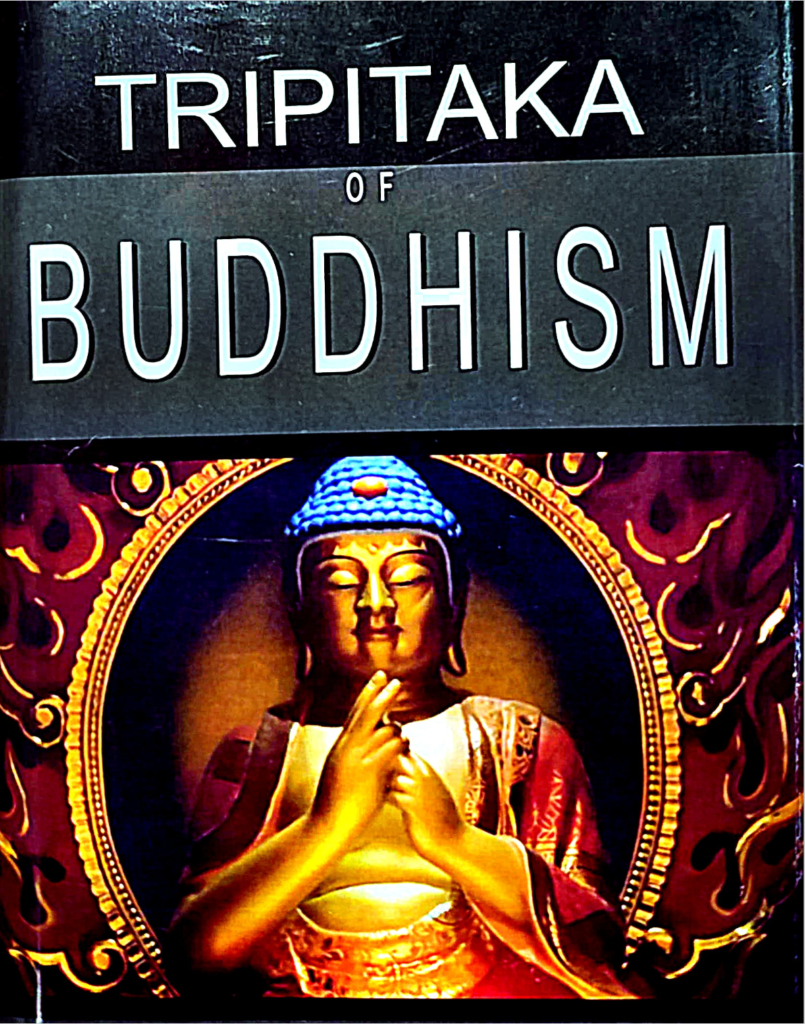
On Dr. Uttam Das’s official website, the Tripitaka appears in his “Books Published in Mirror Language” list, where he notes that these works are written in mirror language and “can be read only with the help of a mirror.” The list explicitly includes “Tripitaka (English)” among other titles. Uttam Das
Mirror Language (দাপোণৰ ভাষা) is based on lateral inversion: letters are written in a reversed, mirror-reflected form so that normal reading becomes difficult unless the reader uses a mirror or mentally flips the script. This changes how a person reads without changing what is being said. In other words, the content remains intact, but the reading process becomes slower, more effortful, and more attentive.
That extra effort is especially meaningful for scripture. Buddhist texts like the Tripitaka are traditionally approached with seriousness—read, studied, and contemplated rather than skimmed. Mirror writing enforces that contemplative pace. Each word demands patience. Each line pushes the reader to stay present, turning reading into a focused exercise rather than a quick information intake.
Independent reporting on Dr. Das has described his mirror-language ability and long-standing practice of reading and writing reversed script across languages, framing it as a distinctive skill and creative technique. Telegraph India
In essence, the Mirror Language Tripitaka stands as a rare intersection of script innovation and spiritual reading culture: it does not rewrite Buddhist teachings, but it reimagines the visual doorway through which the reader enters them—making attention itself part of the experience.